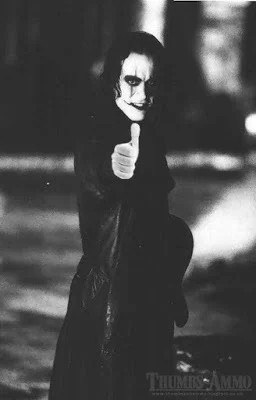
Thumbs and Ammo posits the idea: would it be funny to replace guns with thumbs up in stills from movies?
YES!

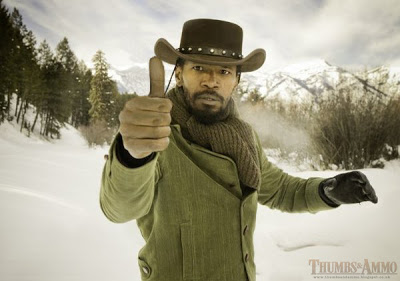
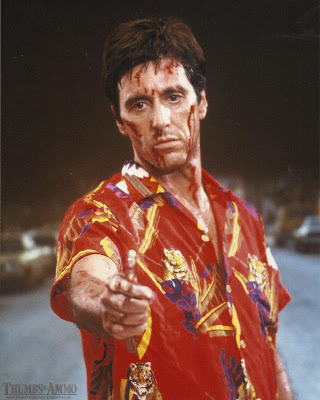
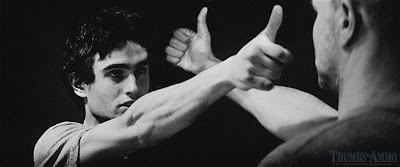
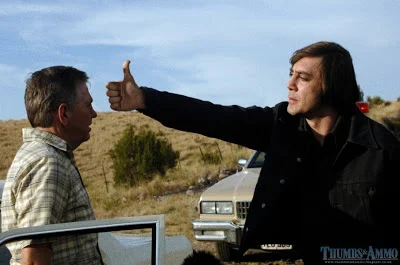
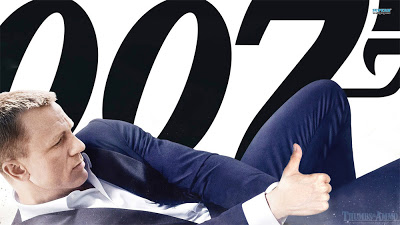
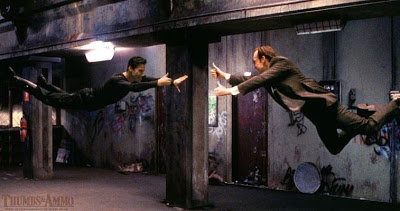
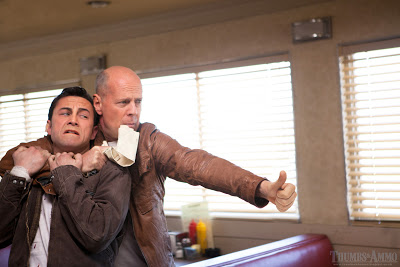
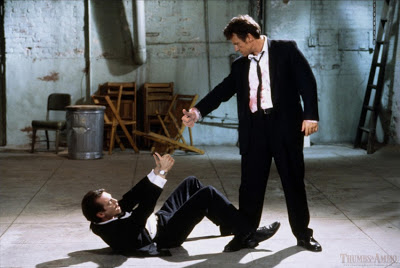
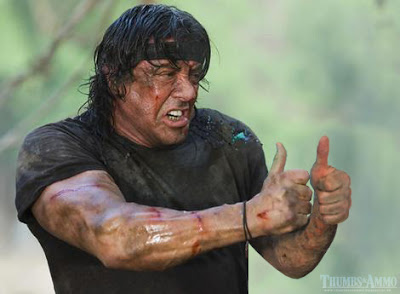


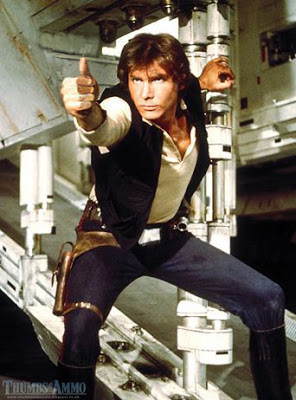
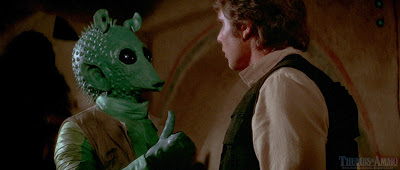

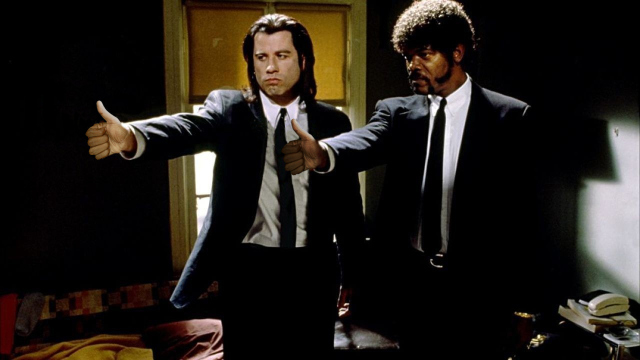
Thumbs and Ammo posits the idea: would it be funny to replace guns with thumbs up in stills from movies?
YES!


James Mollison uses the power of series (and its inherent qualities of comparison, contrast, expectation and surprise ) to tell the very moving story of childhood around the world in his book Where Children Sleep.
“I hope the book gives a a glimpse into the lives some children are living in very diverse situations around the world; a chance to reflect on the inequality that exists, and realise just how lucky most of us in the developed world are,” says James.
Other series we've had on kids and schools around the world include:
Kids from Around the World with Their Most Prized Possesions
Ahkohxet, 8, Amazonia, Brazil
Dong, 9, Yunnan, China
Indira, 7, Kathmandu, Nepal
Joey, 11, Kentucky, USA
Alex, 9, Rio de Janeiro, Brazil
Bilal, 6, Wadi Abu Hindi, The West Bank

Bikram, 9, Melamchi, Nepal
Lamine, 12, Bounkiling village, Senegal

Tzvika, 9, Beitar Illit, The West Bank

Prena, 14, Kathmandu, Nepal
Douha, 10, Hebron, The West Bank
Anonymous, 9, Ivory Coast
Rhiannon, 14, Darvel, Scotland
Nantio, 15, Lisamis, Northern Kenya
Roathy, 8, Phnom Penh, Cambodia
Netu, 11, Kathmandu, Nepal
Jasmine (Jazzy), 4, Kentucky, USA
Risa, 15, Kyoto, Japan
‘Instagram Short Film’ is filmmaker Thomas Jullien's timelapse editing together of 852 different Instagram users' shots.
Julian says it was his attempt to "create structure out of this chaos.”

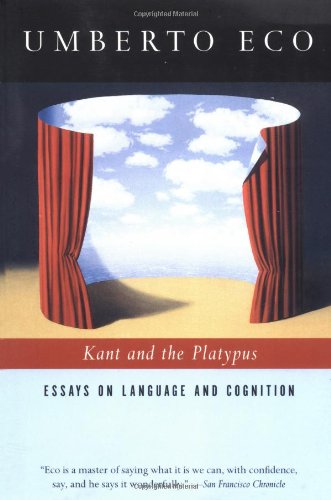
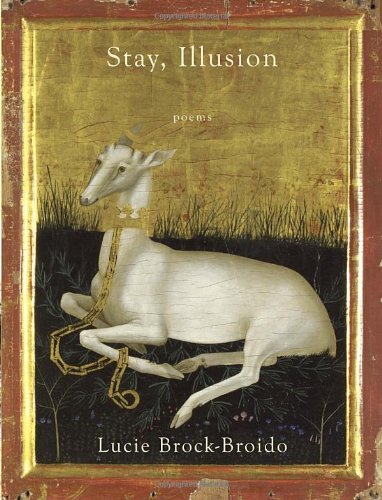
There are a handful of books that have been a part of my personal education, ones that I feel like I found on my own, and refer to time and again. This is one of them. There are a number of poems ( Notes Toward Identifying a Father, for example) there were, as Lucie Brock-Broido says, troubled into mind by ideas in this book.

By Sabrina Small
To go along with WEEK 5 POEM "Notes Toward Identifying an Elephant" over on Manipulated Bestiary ( http://manipulatedbestiary.com/1825577 ) I asked people to draw an elephant and these are what they drew.
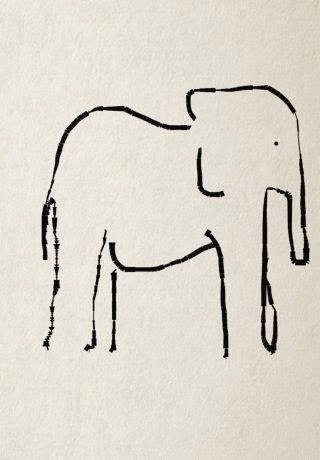
by Brendan Constantine

By Joseph Patrick Arneggar

by Narciso Carlos

By Diego Miranda
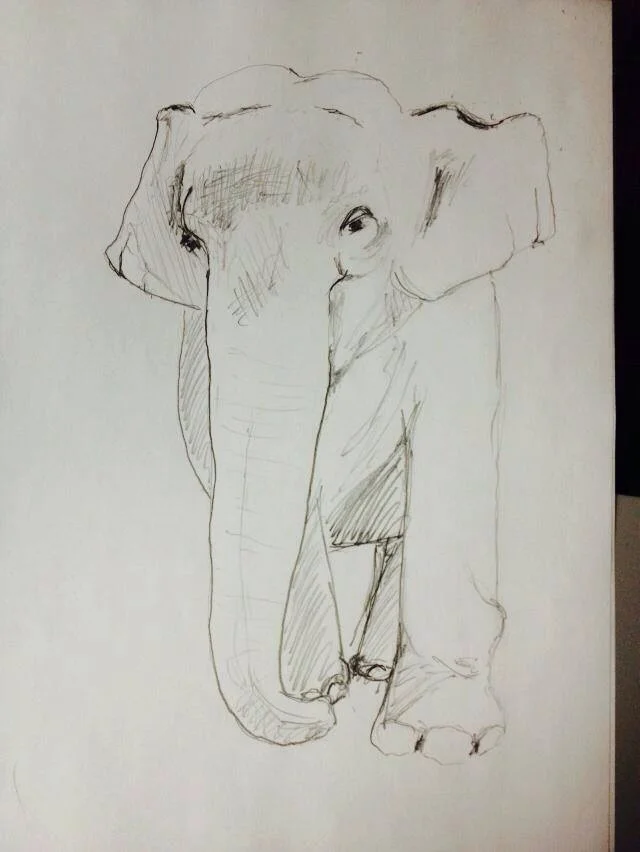
By Daniel Miller

by Bijou Vann

by David Mayes

By Matt Orr

By Michael Holmes

By Jessica Ceballos

By Aly Taylor

by Noemi Seltzer

By Stephen McFadden

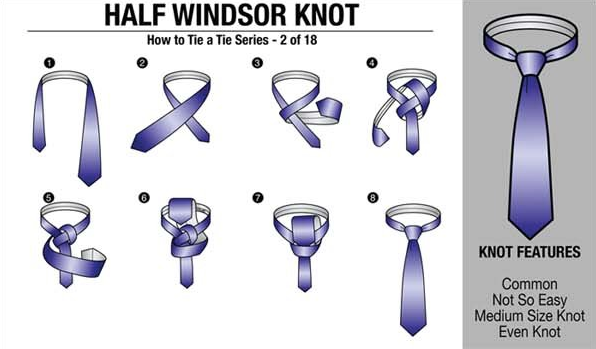
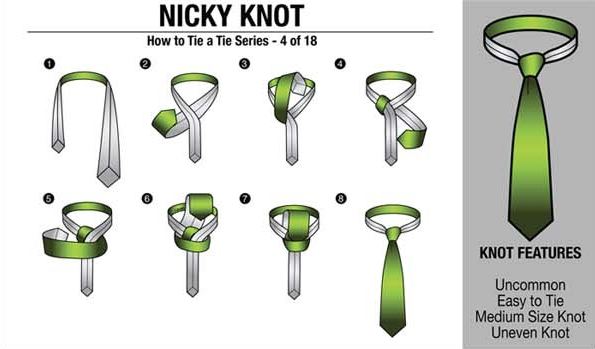
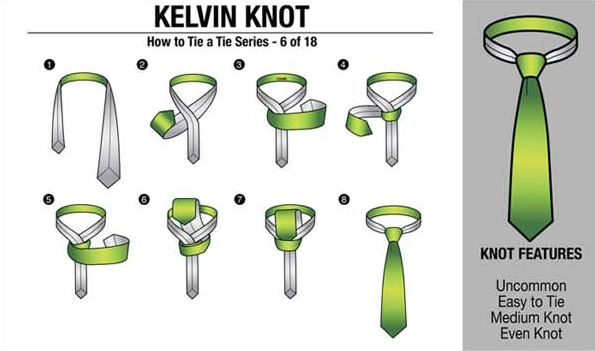
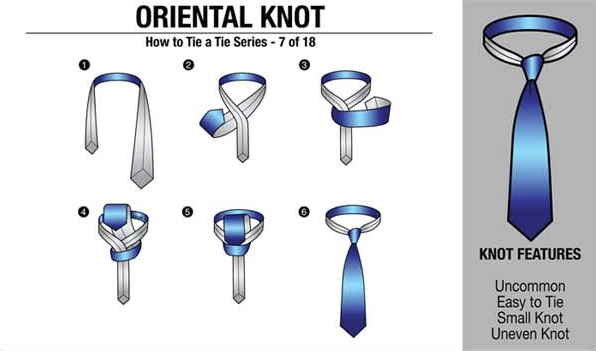
I knew maybe 3 of these by name, but most of these, I never even knew they existed. These great infographics from Real Men Style.
Four-In-Hand Knot
Half Windsor Knot
Full Windsor Knot
Nicky Knot
Bow-Tie Knot
Kelvin Knot
Oriental Knot
Pratt Knot
St Andrew Knot
Balthus Knot
Hanover Knot
Plattsburgh Knot
Grantchester Knot
Victoria Knot
Cafe Knot
Eldredge Knot
Trinity Knot
Christensen Knot


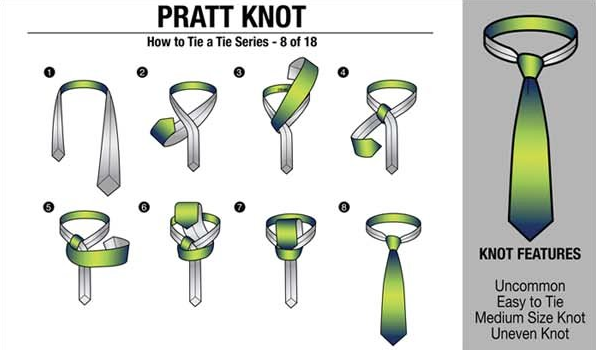
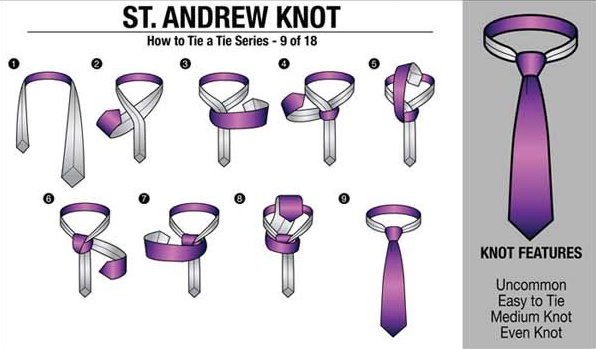
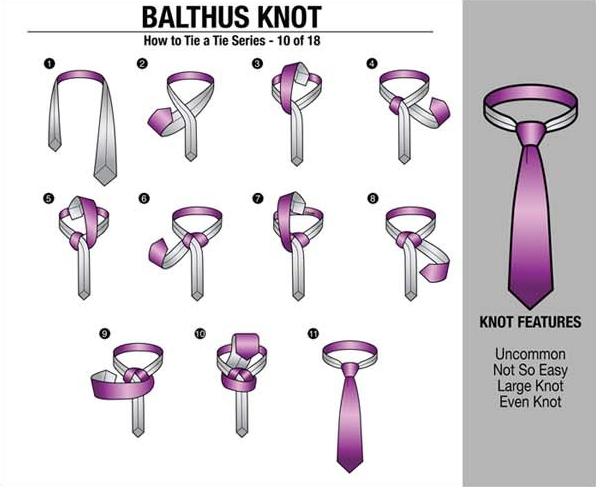
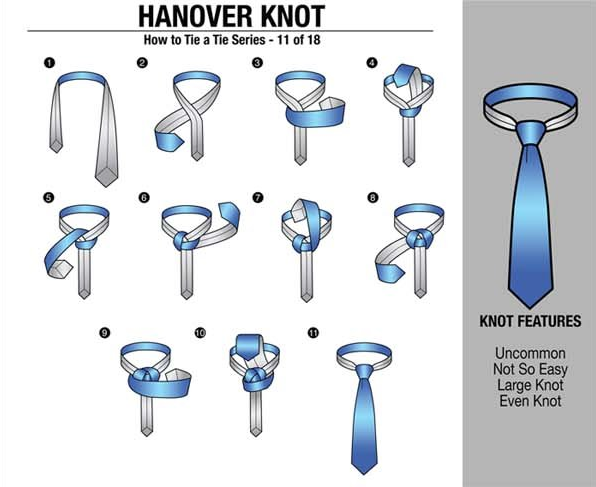
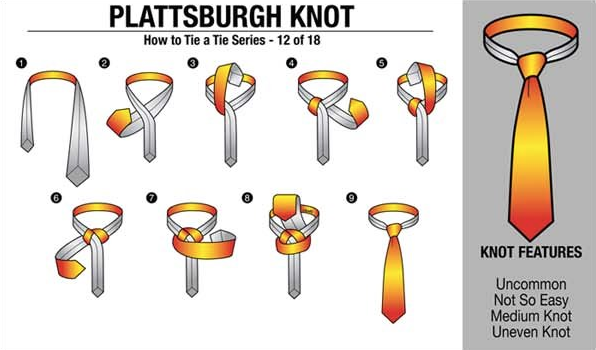


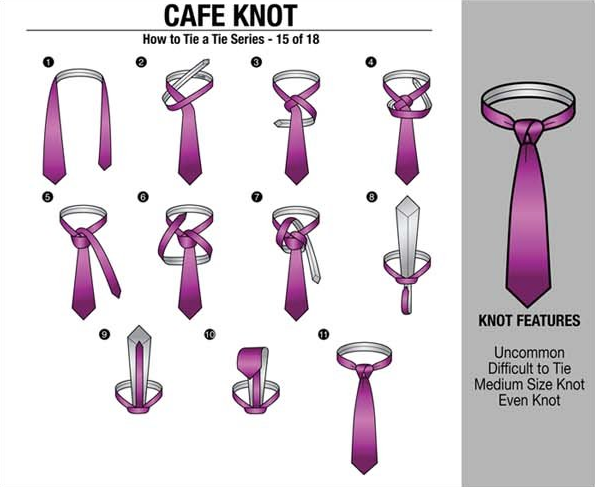
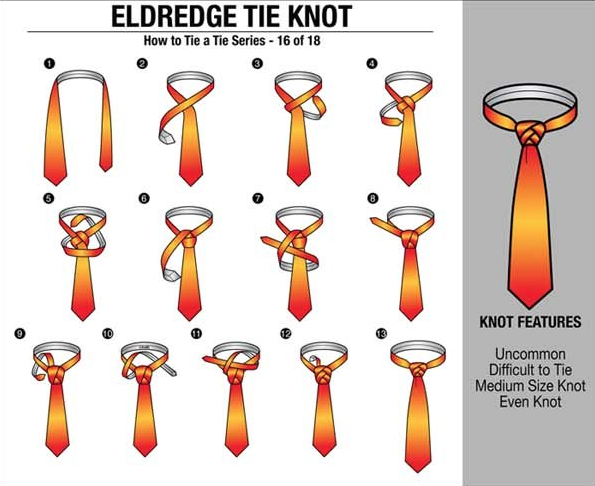


click for larger view
A mosaic of 141 wide-angle images taken by Cassini, combining red, green and blue spectral filters. NASA calls it a “natural-color view.”

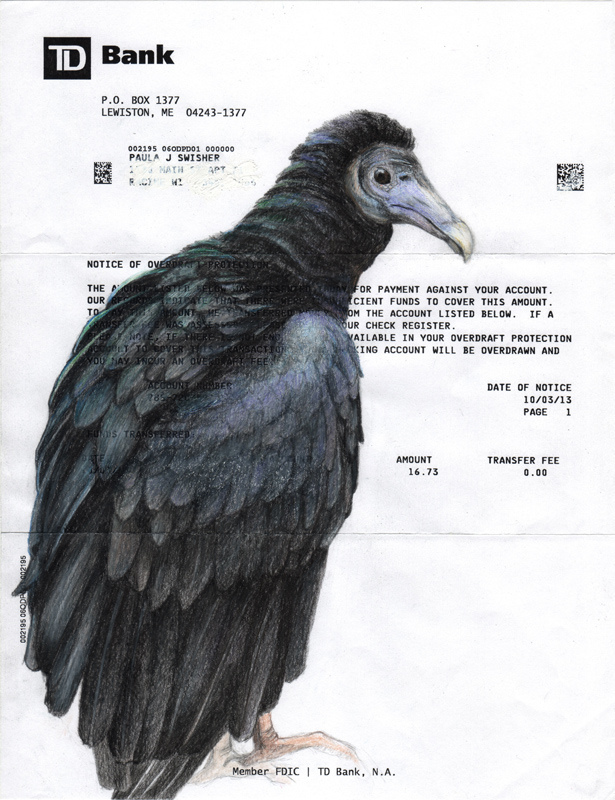
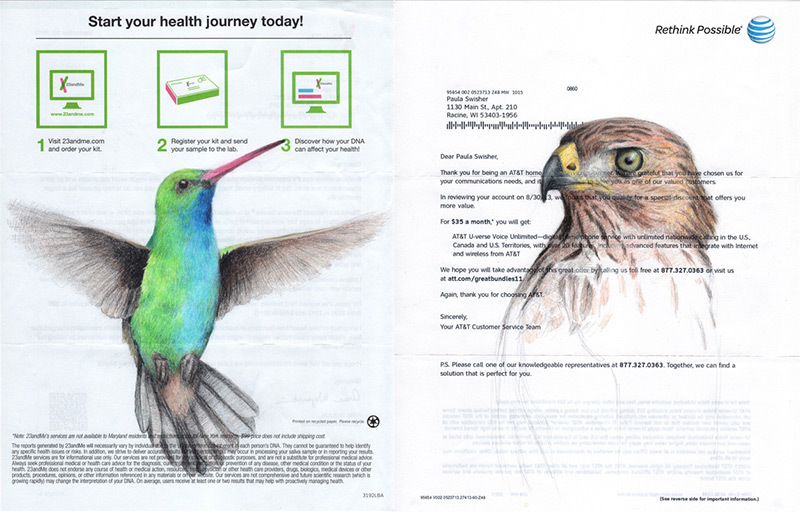
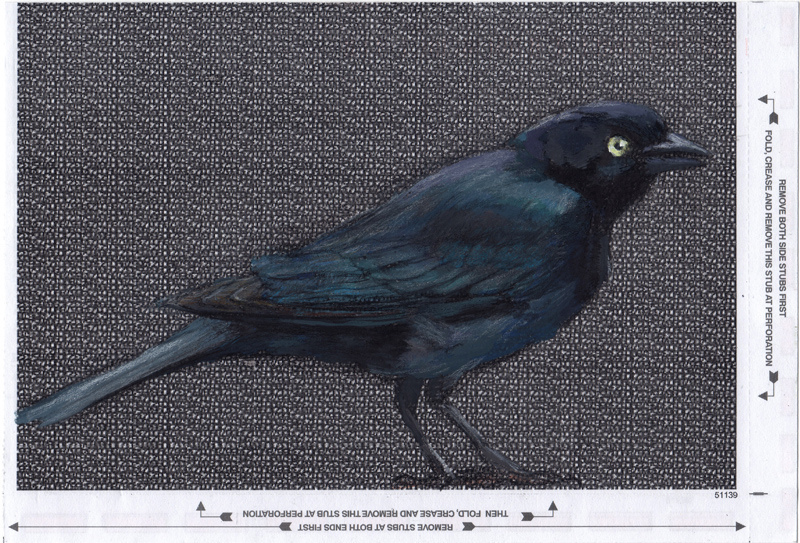
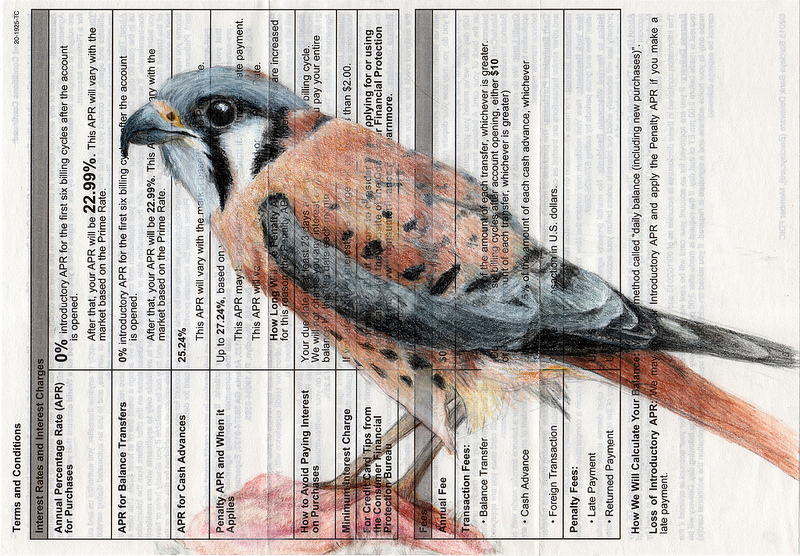
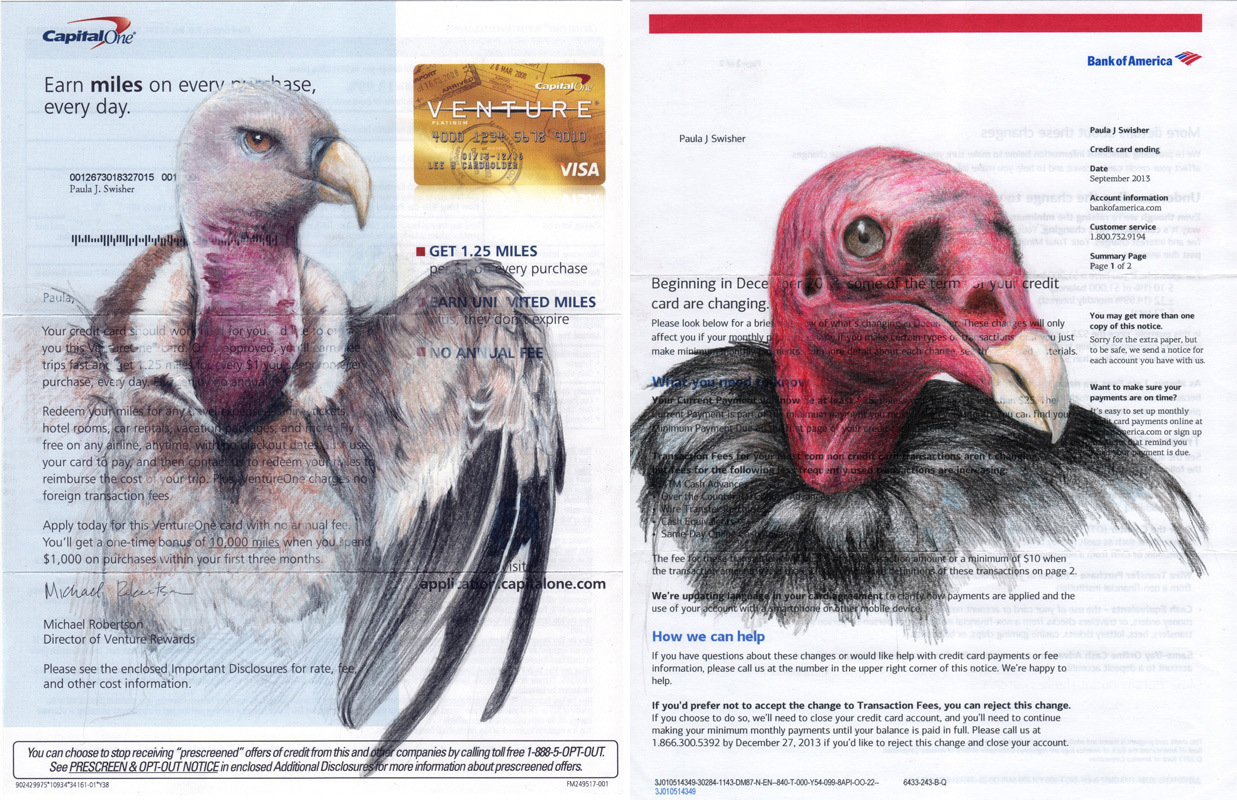
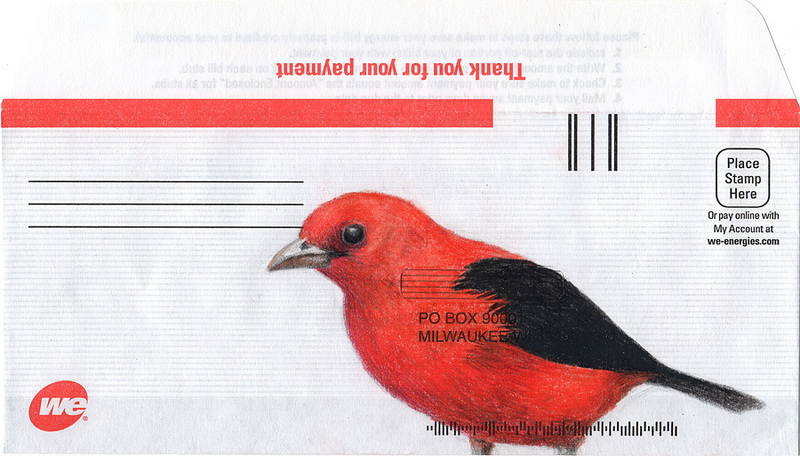
Paula Swisher has developed an illustration series of birds overlaying other sorts of texts, and lately, here are lovely and punny birds painted on bills.

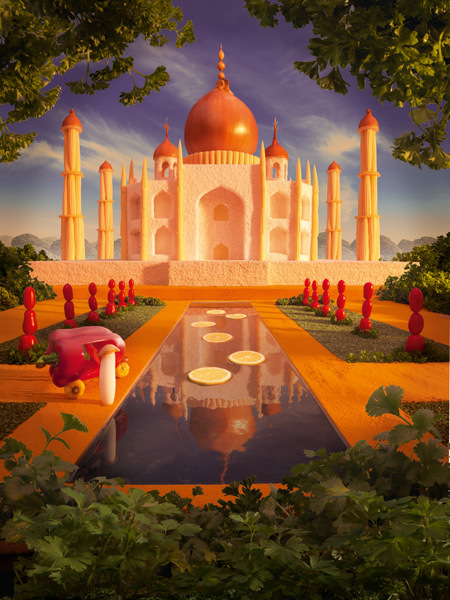
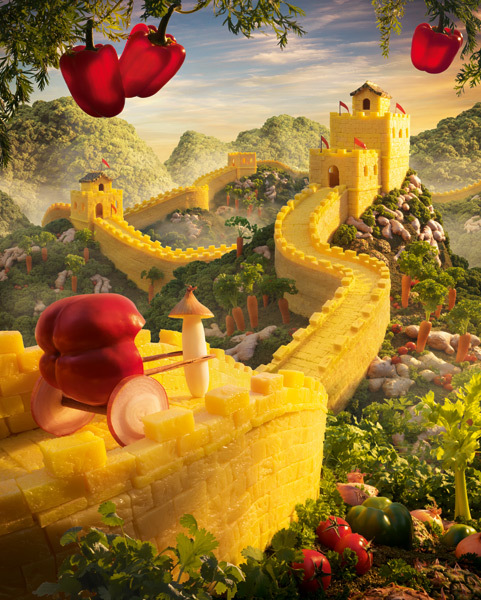
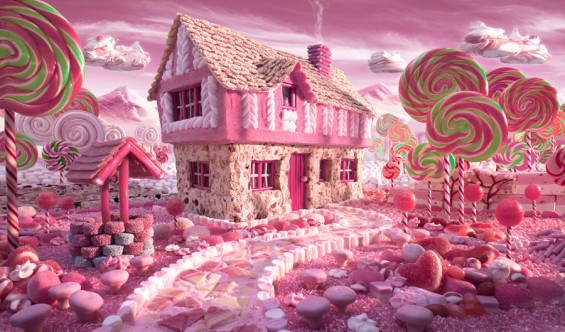
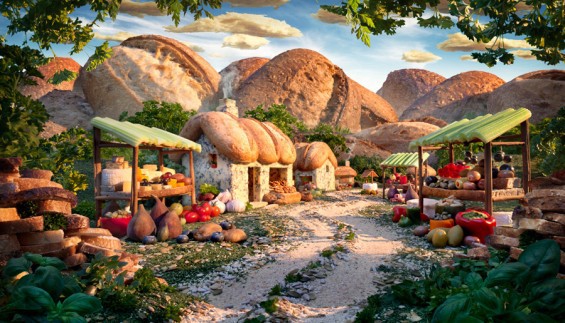
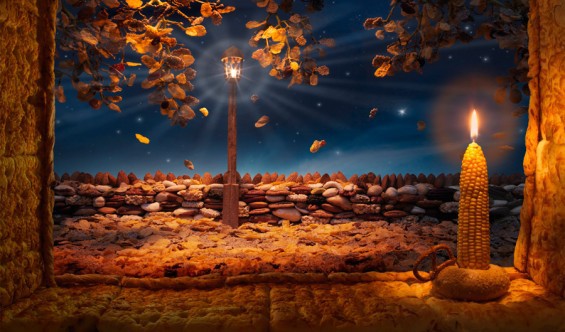
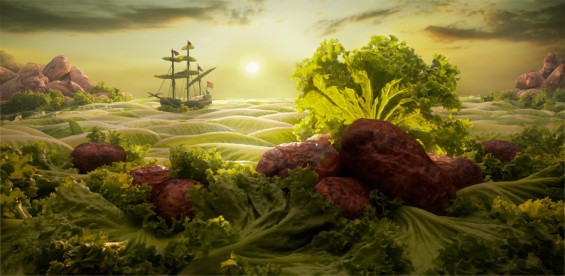
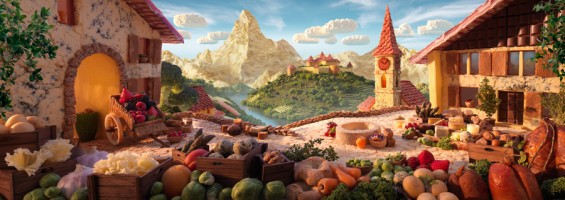
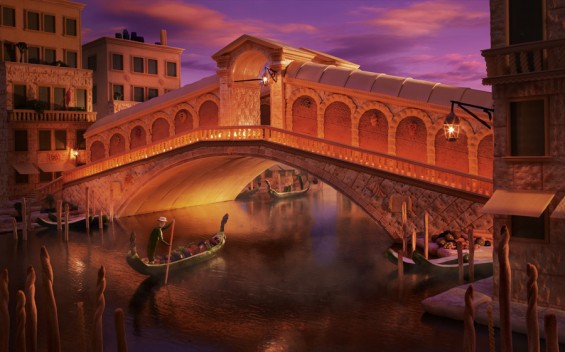
English photographer Carl Warner:
“ Although I’m very hands on with my work, I do use model makers and food stylists to help me create the sets. I tend to start with a drawing which I sketch out in order to get the composition worked out, this acts as a blue print for the team to work to.”
The scenes in ‘Foodscapes’ are photographed in successive layers from front to back.
See also Gorgeous Dresses Made Out of Food »

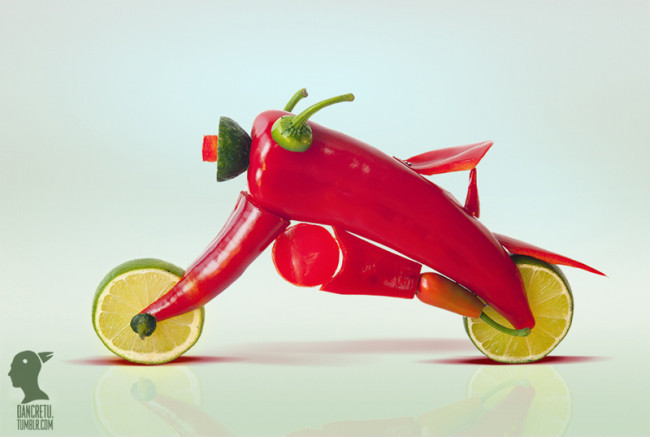
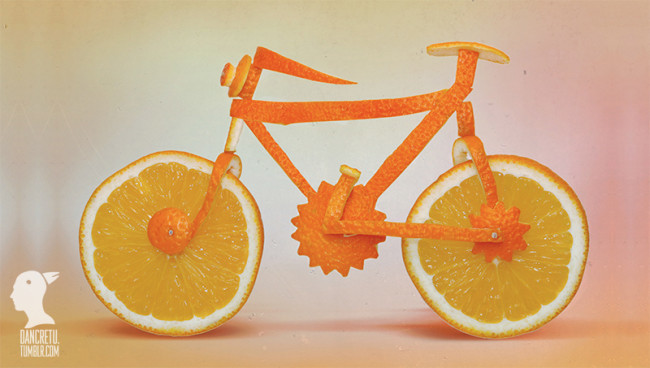
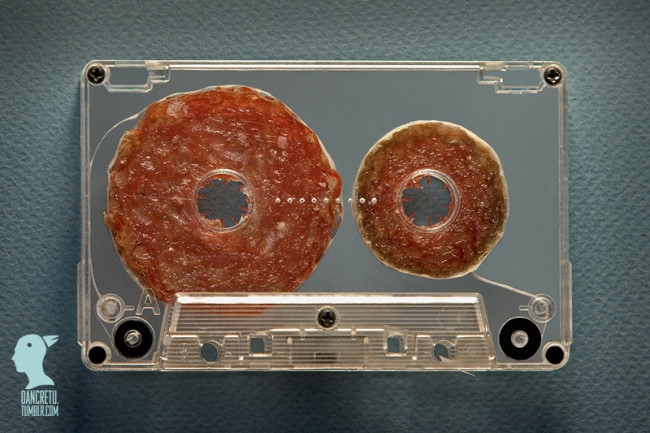
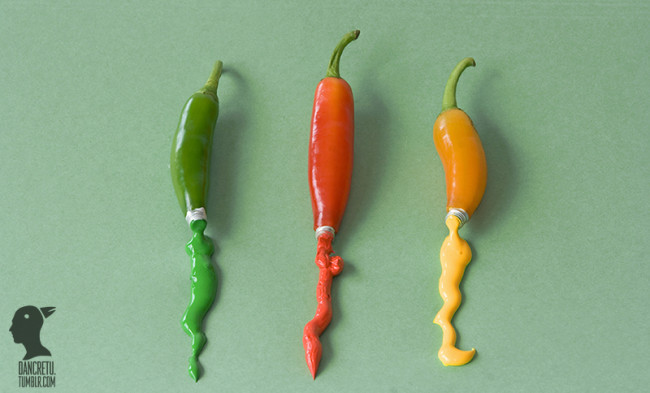
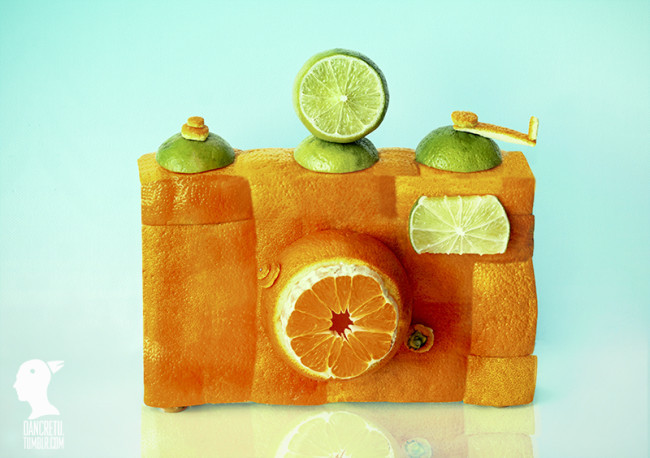
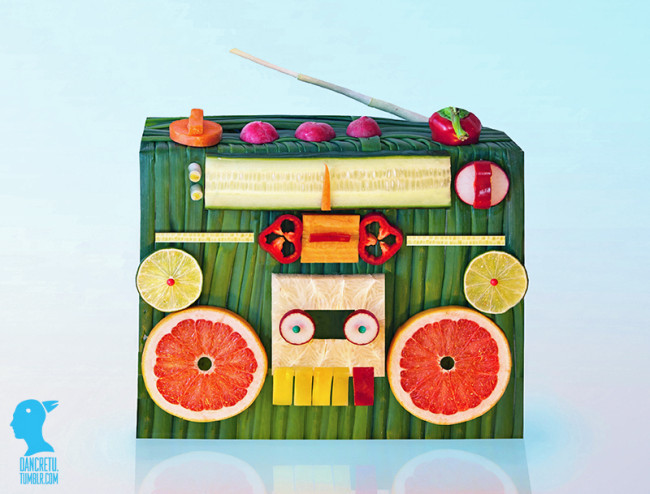
Dan Cretu a Romanian photographer created everyday objects from fruits and vegetables.

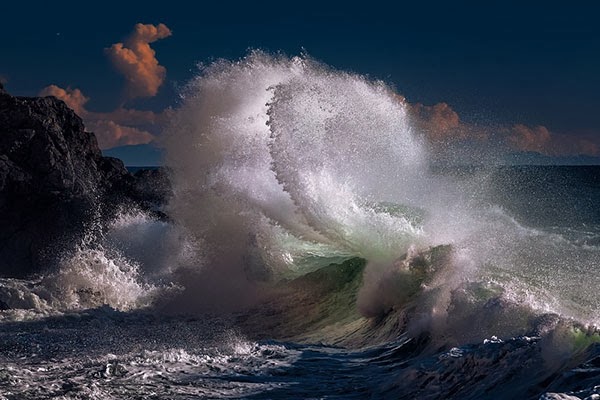
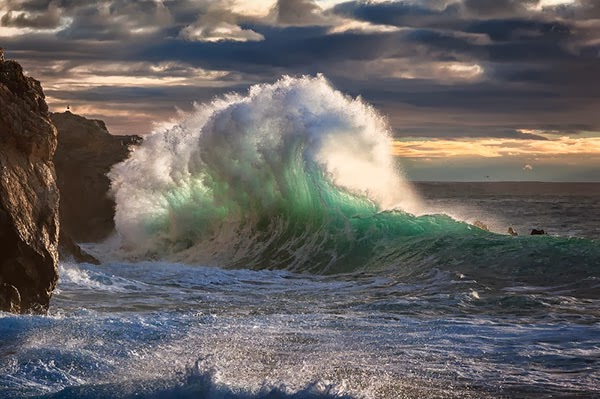
Giovanni Allievi takes these gorgeous photos of waves crashing in the early morning against rocks in Savona, Italy.


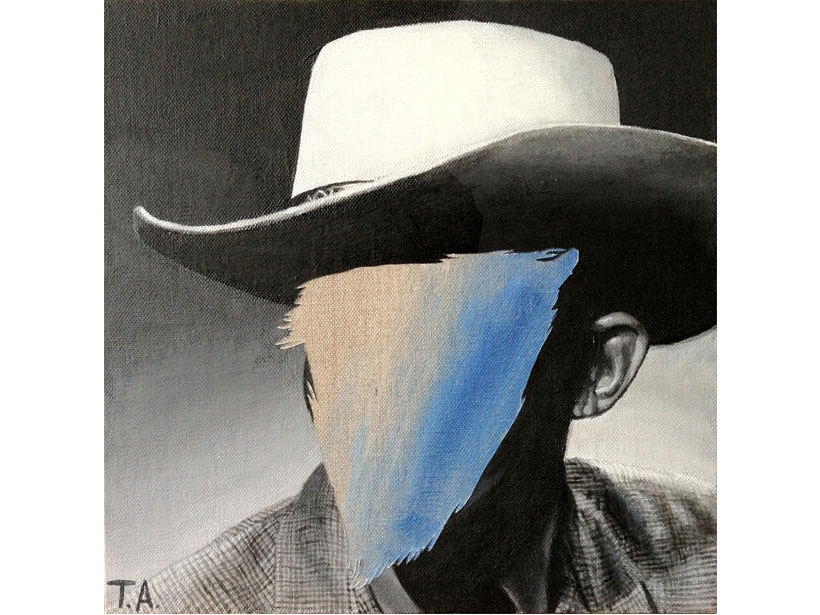
"There are
a great many ways to vanish—
a knife kick through the surface,
a stuttering shift sideways,
a four-quartered tear, an inwardly
diminishing spiral—"
The landscape of the Canary Islands, a Spanish Territory off the coast of Africa is already a spectacular scene, but put it in attentive timelapse and you see just how radiantly beautiful it can me.


Tell the truth I told me When I couldn’t speak.
Sorrow’s a barbaric art, crude as a Viking ship Or a child
Who rode a spotted pony to the lake away from summer
In the 1930s Toward the iron lung of polio.
According to the census I am unmarried And unchurched.
The woman in the field dressed only in the sun.
Too far gone to halt the Arctic Cap’s catastrophe, big beautiful
Blubbery white bears each clinging to his one last hunk of ice.
I am obliged, now, to refrain from dying, for as long as it is possible.
For whom left am I first?
We have come to terms with our Self
Like a marmoset getting out of her Great Ape suit.
I had the immense pleasure of studying with Lucie. She has this amazing collection of porcelain figures of horses hatching out of eggs.
She introduced me to Thomas James.
She is lovely.

Just a little Google Spreadsheet I put together because I wanted to be able to get a sense of the whole league at a glance.
Streaks (of 3 or more) are represented by brighter colors.
A=Away games.
See the dynamic version here »
From the creator, Keith Loutit :
After developing the tilt shift/time-lapse combo as my main style, I’ve been working on a series of experimental focus and light transition techniques that build on many of the same principles.
For ‘The Lion City,’ the idea behind the use of the technique is for focus and distance to be something the viewer can experience. It also doubles to communicate the constant heat and humidity that hits you whenever you leave the comfort of air conditioning in Singapore.

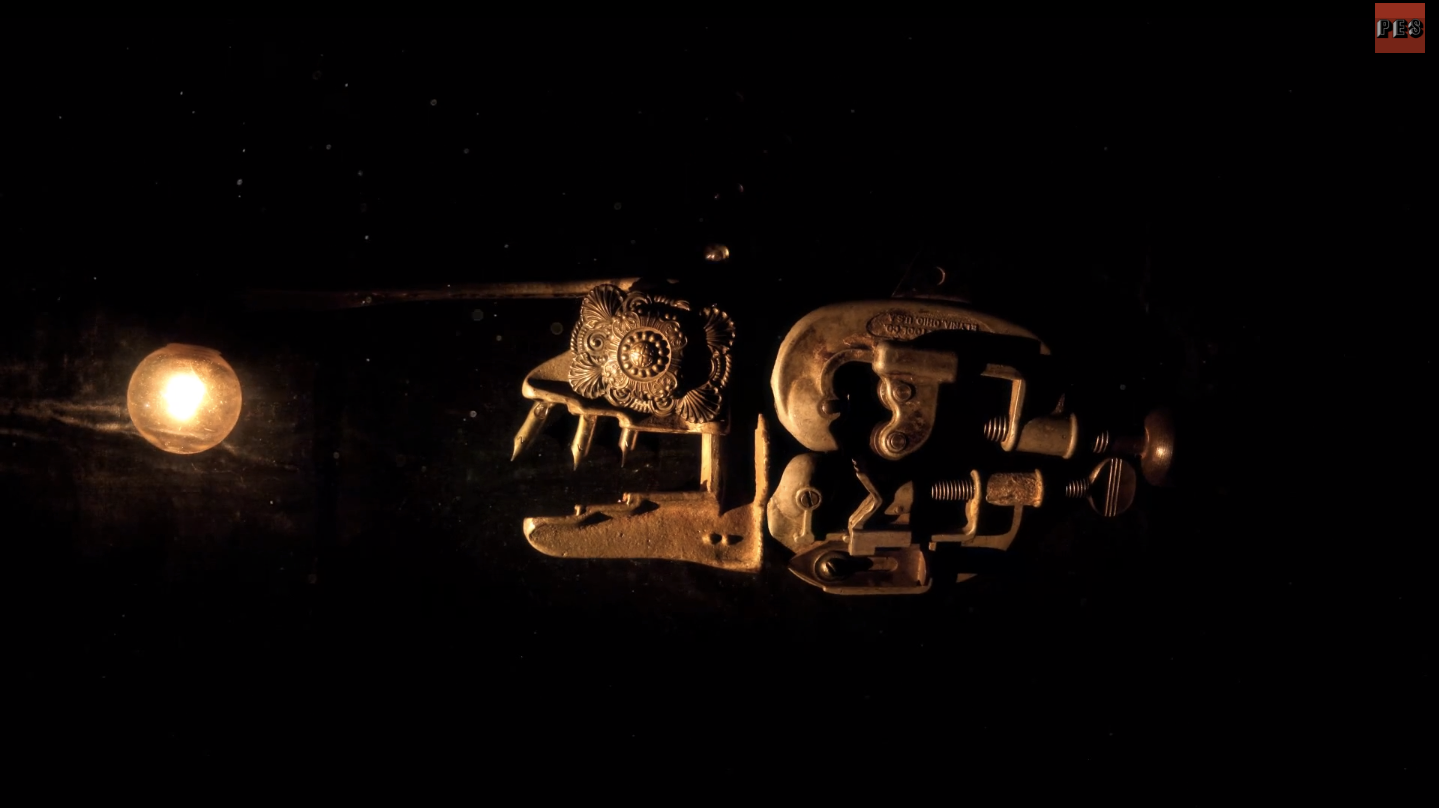
We've seen PES and his stop motion animations before (Guacamole for example). And here is his stop-motion animation of the deep ocean featuring ordinary household items such as tools, chains, and keys.

The New American uses 800 individual laser-cut maple blocks as frames in this stop-motion movie by designer Nando Costa .
Costa says:
The abstract storyline showcased in this piece is a concoction of a variety of ideas and can perhaps be described as a union between concepts and experiments born during the Situationist movement and real life events experienced during the last few years in American society. Particularly the duality between the economic downturn and the shift in values and beliefs of many citizens.
Over on Manipulated Bestiary, I am continuing the one-poem-a-week-for-a-year publishing project.
Week 2: The Belief in Baleful Stars http://t.co/iAygclhI4Y #poem #serial "skygrowth cannot upsurge a human." pic.twitter.com/bADBEp08bT
— Manipulated Bestiary (@mbestiary) October 24, 2013
